The proper use of bagging machines can not only help businesses improve efficiency and increase production capacity, but also significantly reduce the risk of workplace injuries. This article will provide a detailed overview of bagging machines, how they work, and the benefits of using them. If you’re interested in bagging machines, this article will answer all your questions.
What Is a Bagging Machine?
Basic Definition
A bagging machine is an automated or semi-automated device designed to weigh, fill, and pack products into bags efficiently. Widely used in industries such as food processing and industrial manufacturing, this type of equipment ensures precise portion control, high-speed production, and consistent packaging of granular, powdered, and liquid products.
How do bagging machines integrate with automated production lines?
Bagging machines come in two types: fully automatic and semi-automatic.
Fully automatic bagging machines require no manual intervention throughout the entire process. Therefore, before purchasing, you should confirm with the manufacturer whether the machine is compatible with your other equipment and whether its specifications meet your factory’s standards. Once this information is confirmed, you simply need to allocate the necessary space, install the automatic bagging machine in your facility, and connect the feed and discharge ports.
Semi-automatic bagging machines require manual loading. You should also confirm the relevant specifications with the manufacturer before purchasing. When setting up a semi-automatic bagging machine, you need to reserve sufficient space for workers to perform the bagging operations. For the specific operating procedures, please refer to the video we have recorded.
The following section provides a detailed explanation of the differences between fully automatic and semi-automatic bagging machines.
Common Applications of Bagging Machines
Bagging machines are widely used in various packaging scenarios. Common applications include e-commerce warehouses, garment factories, hardware component factories, and industrial parts factories. Additionally, by using different packaging materials, bagging machines can be applied to industries with specific material requirements. Examples include the food industry, medical supplies industry, daily consumer goods industry, and many other scenarios where packaging is required.
Bagging machines can be used in virtually any packaging scenario. If you’re unsure whether a packaging machine is suitable for your current needs, please feel free to contact us anytime—we’d be happy to help you figure it out.
How does a bagging machine work?
Bag Feeding
For a bagging machine to operate, the first step is to supply it with bags, and there are two options for doing so. One is roll film, which is produced and used simultaneously by a bag-making machine as needed. The other is pre-made bags, which are ready-to-use bags that the bagging machine can use directly when needed. Currently, pre-made bags are the most widely used option; more specifically, they are pre-opened bags on a roll.
Printing and Labeling
If you have printing and labeling requirements and your machine supports these functions, this step allows you to produce bags printed with your logo.
Bag Opening
The third step in the bagging machine’s operation is opening the bags. Fully automatic packaging machines typically use one of two common methods: mechanical opening or air-blowing. No manual assistance is required throughout the process.
Most semi-automatic bagging machines also use air-blowing to open the bags before filling. However, a few brands do not offer this feature. We recommend selecting a product with automatic bag-opening functionality when purchasing. Manual bag opening not only reduces efficiency but also poses a risk of workplace injuries.
Filling
Next comes the process of filling the product into packaging bags. Fully automatic packaging machines are equipped with a complete feeding system, which may involve a conveyor belt feeding into the inlet or a hopper dispensing the product in measured quantities. This feeding process is highly customizable, and the specific configuration depends on the requirements of your production line.
Semi-automatic bagging machines lack automatic feeding capabilities, which is the key difference from fully automatic models. They require an operator to manually load the machine. The operator fills pre-opened bags with the product and then seals them by pushing a lever or pressing a foot pedal.
Sealing
Once the product is loaded, the sealing mechanism is activated manually or automatically to seal the bag. There are various sealing methods, including heat sealing, pressure sealing, and tape sealing, but heat sealing is the most common.
This concludes the entire bagging machine process, and the product is now packaged. At this point, if your factory is equipped with an output conveyor belt, simply connect it to the bagging machine’s discharge port to seamlessly integrate it into your automated production line.
Different Types of Bagging Machines
In fact, after the explanations above, you should already have a general understanding of the differences between various types of bagging machines. In this section, I will provide a summary:
Fully Automatic Packaging Machine: Requires no manual intervention throughout the process; only pre-programming is needed. This type of machine integrates seamlessly into your automated production line, helping to prevent employee injuries and improve production efficiency.
Semi-automatic bagging machines: Require almost no manual intervention. Bag feeding, printing, and bag opening are all automated. However, filling the bags must be done manually. After filling, the heat-sealing switch must be activated manually. Although semi-automatic bagging machines require workers to operate them, they are cost-effective and easy to use. Therefore, they remain an excellent way to save costs and improve efficiency.
In summary, both types of bagging machines have their own advantages and are widely used by many manufacturers. The specific choice depends on individual needs.
What are the benefits of bagging machines compared to manual bagging?
High Work Efficiency
The first advantage is that bagging machines operate much faster than manual labor. Manual bagging averages about 6 bags per minute, while machines can reach speeds of up to 15 bags per minute.
Elimination of Workplace Injuries
Employee safety and health are issues every company must prioritize. Prolonged physical labor makes it difficult to avoid occupational diseases. This is where the advantages of machine production become evident. With just one automatic bagging machine, you can eliminate the risk of workplace injuries.
Machines may occasionally malfunction, but you only need to keep a few spare parts on hand to replace the affected components when a failure occurs. The process is very simple and quick.
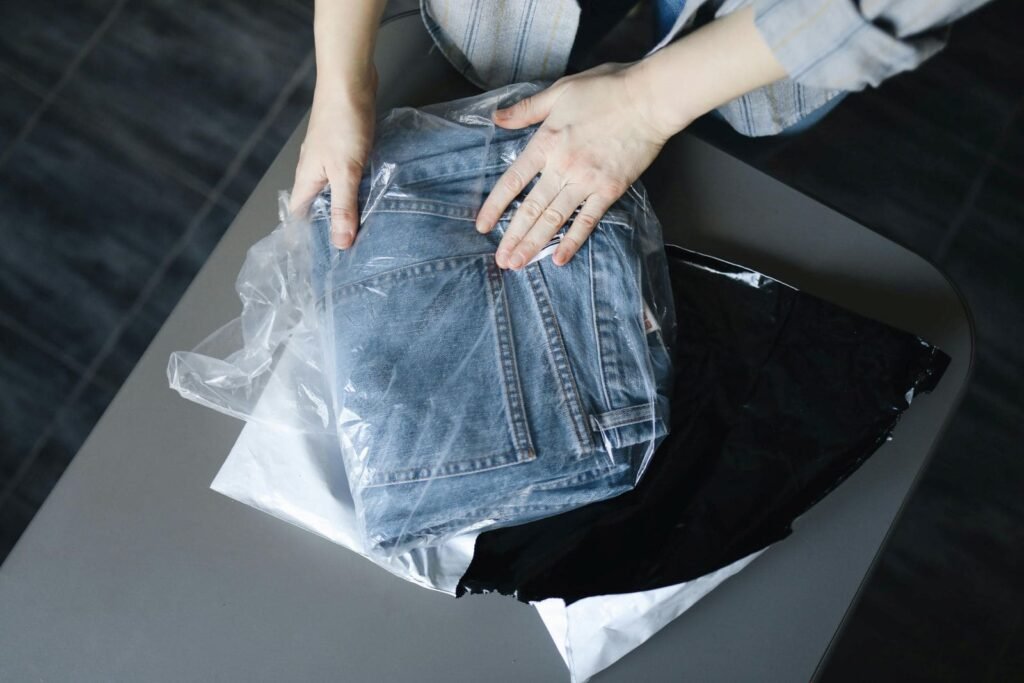
Long Operating Hours
Employees have limited working hours—typically eight hours a day, with breaks in between. After all, human stamina is finite. Machines, however, do not face this limitation and can even operate continuously for 24 hours a day if needed.
Low Operating Costs
While the initial purchase of a machine may be a significant expense, the maintenance costs after purchase are far lower than labor costs. Machines operating under normal conditions rarely encounter problems, and even if issues arise, maintenance typically involves replacing a few parts, incurring no major expenses. The primary cost of operating a machine is electricity.
Conclusion
From the above description, we have learned what a bagging machine is, how it works, its typical applications, and how it compares to manual bagging. However, the decision to use a bagging machine requires a case-by-case analysis tailored to each company’s specific needs. As a professional packaging machinery company with extensive experience, we welcome you to contact us at any time if you have questions about selecting the right machine or any other packaging-related inquiries.