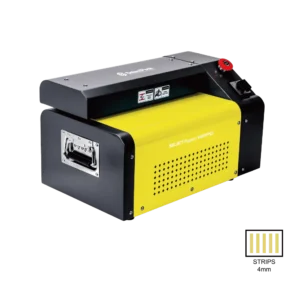
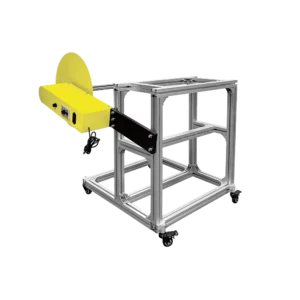
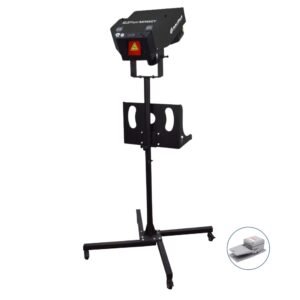
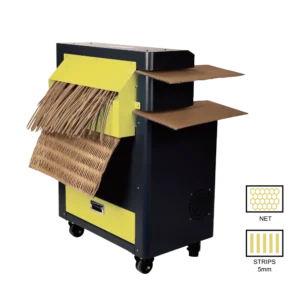
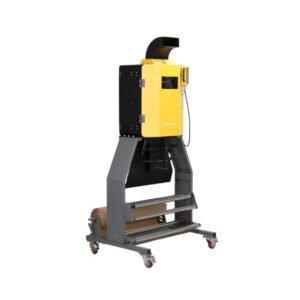
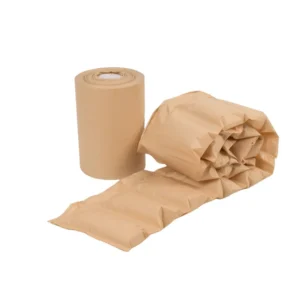
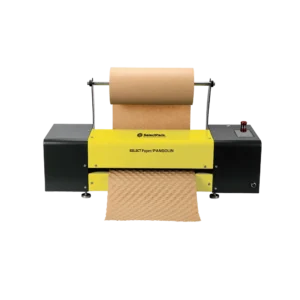
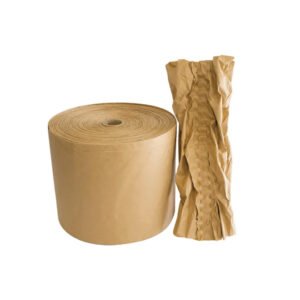
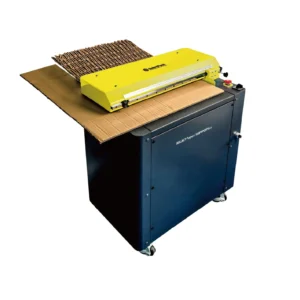
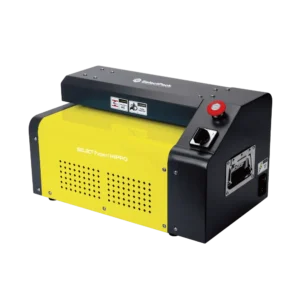
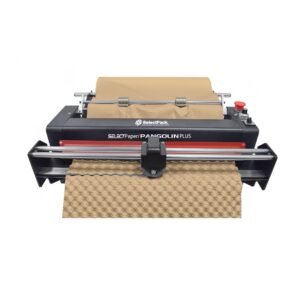
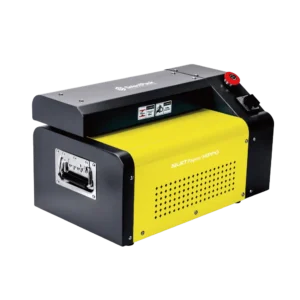
*Cardboard Shredder Machine Hs Code: 8441100000
Online sellers looking to reduce packing costs
Warehouses with high carton turnover
Studios with limited workspace but frequent shipments
Retailers switching to plastic-free packaging solutions
| Model | SelectPaper/Hippo P10 |
|---|---|
| Cutting Speed | 5 m/min |
| Feed Width | 350 mm |
| Voltage | AC 110 / 220V |
| Power | 370W |
| Size | 490 x 293 x 290 mm |
| Net Weight | 39kg (110V) / 36.4kg (220V) |
| Max Cardboard Thickness | 10 mm |
| Machine Dimensions | 490 x 293 x 290 mm |
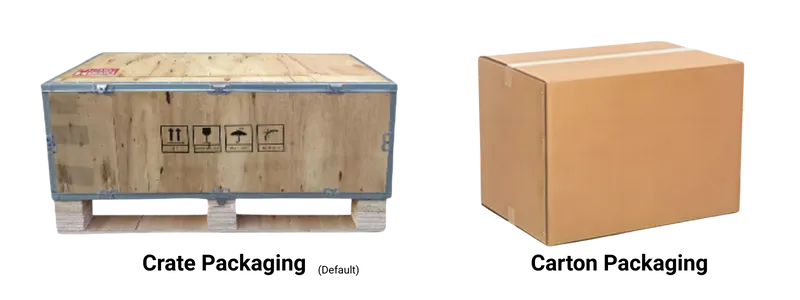
| Weight (Carton Packaging) | N.W. / G.W. (110V): 39kg / 44.6kg N.W. / G.W. (220V): 36.4kg / 42kg |
| Packing Dimensions | 600 × 400 × 380 mm |
Best for online sellers, boutique warehouses, and fulfillment centers that frequently handle compact boxes. Helps reduce filler material costs and improve packaging sustainability.
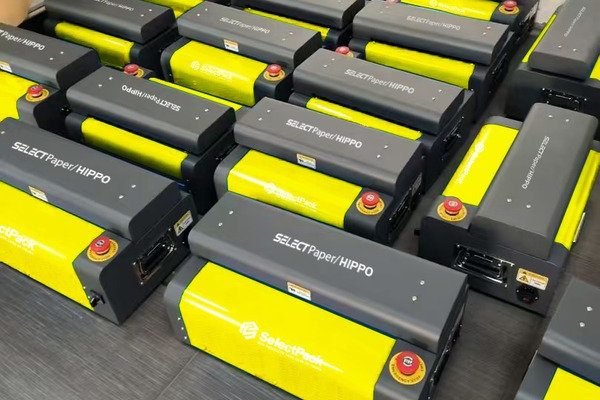
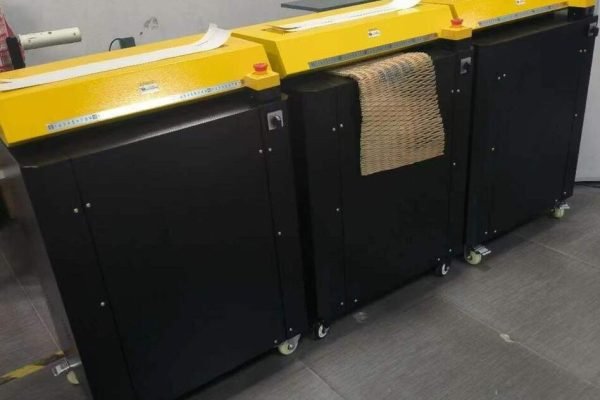
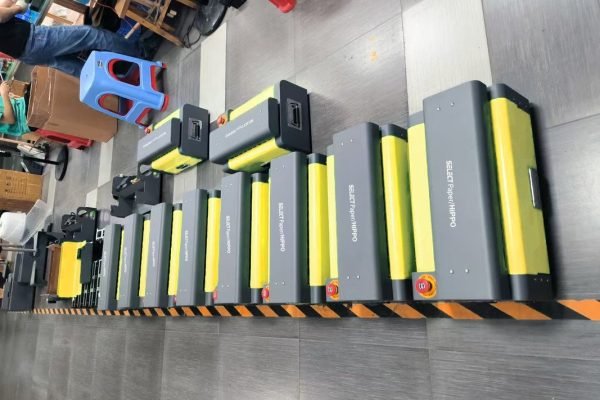
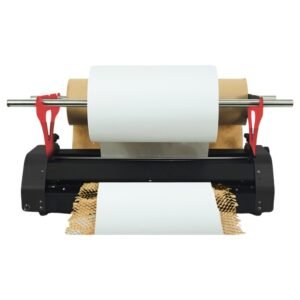
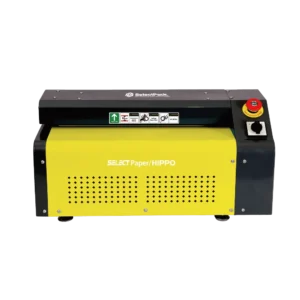
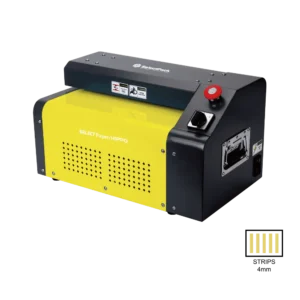
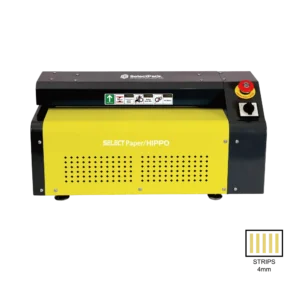
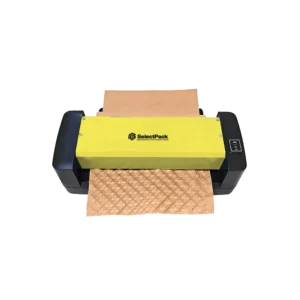
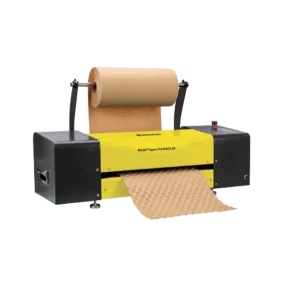
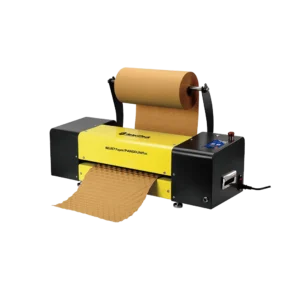
The desktop cardboard shredder SelectPaper/Hippo cuts and perforates waste cartons into flexible, mesh-like padding for wrapping or void fill. Just feed the box in — the machine processes it in seconds. Our desktop models come in three sizes (325 / 425 / 500 mm feed width) to match the typical carton sizes in your warehouse. Choose the right fit based on your most common box width.
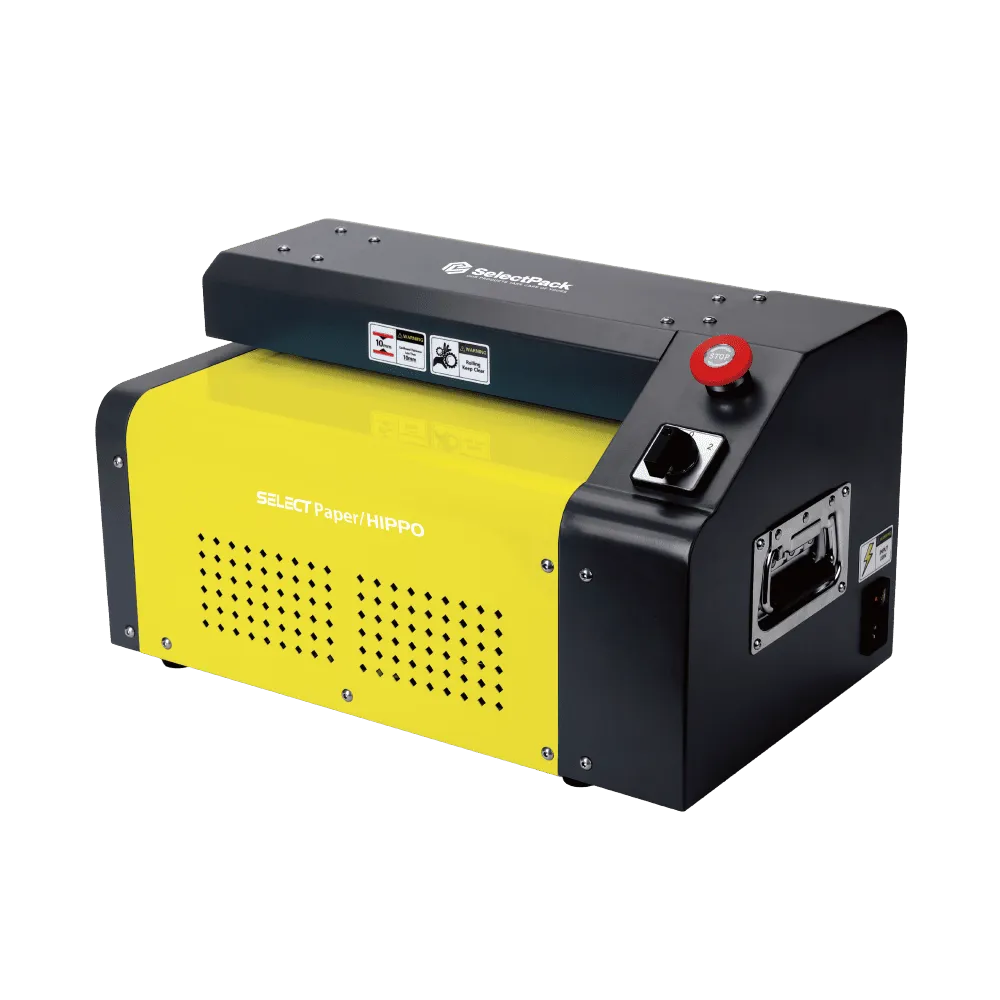
The Hippo P10 cardboard perforator is intended for small packing stations, e-commerce workspaces, and light warehouse use where available space is limited but efficient packaging is still required. Its compact design and plug-and-play operation allow teams to reuse cartons as void fill directly at the packing bench, without disrupting existing packing routines. For businesses aiming to lower packaging waste and material costs at a smaller operational scale, the P10 provides an accessible starting point for in-house cardboard recycling.
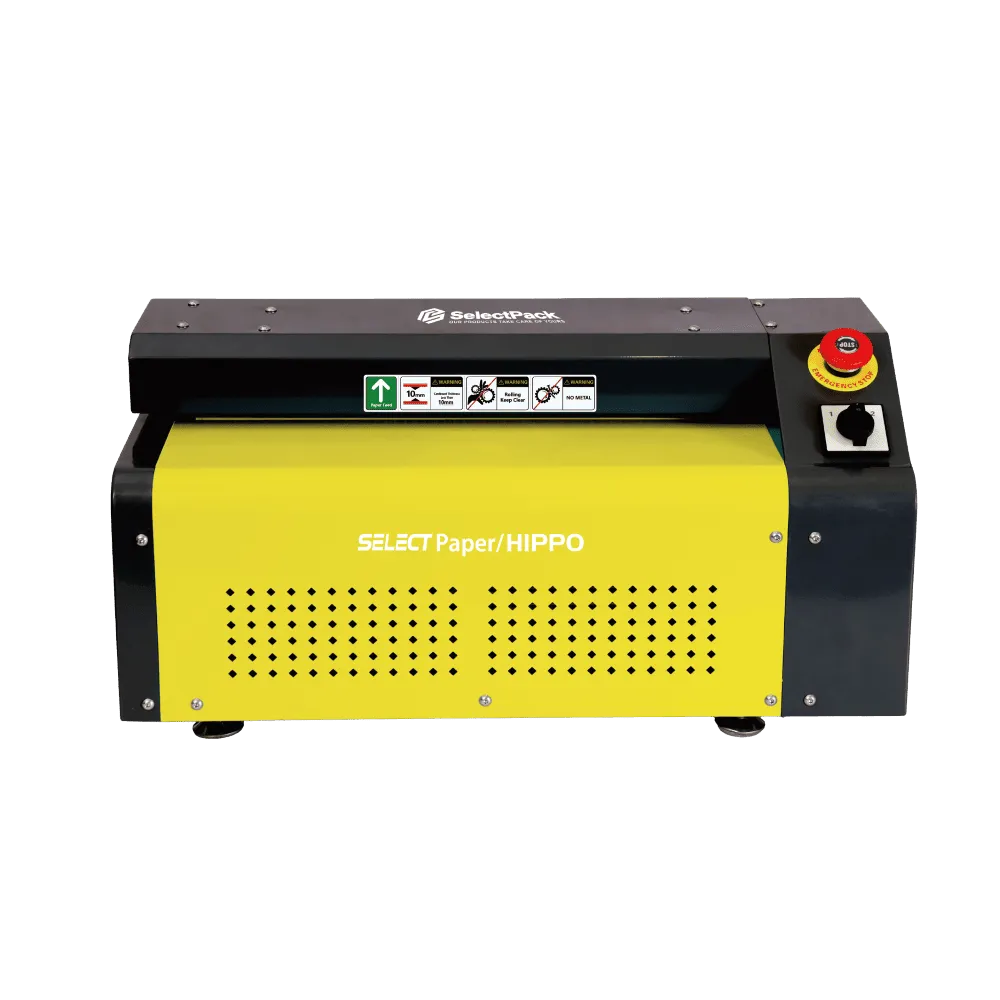
Cardboard waste is a daily reality for warehouses, fulfillment centers, and packaging operations of all sizes. While cardboard boxes are essential for shipping and storage, disposing of used cartons efficiently—and cost-effectively—has become an ongoing challenge for many businesses.
There are several ways to handle waste cardboard, from external recycling services to purchasing ready-made void fill materials. However, one increasingly practical solution is the use of a cardboard perforator, which allows businesses to process used cartons on-site and reuse them as protective packaging material.
In this guide, we’ll take a closer look at how corrugated cardboard shredders work, why they are used in packaging operations, and what factors matter most when selecting the right machine for your business.
You’re in the right place—let’s take a closer look.
In This Guide, You’ll Learn:
A cardboard processing machine is a packaging machine designed to process used corrugated cardboard into flexible, protective packaging material. Instead of treating cardboard cartons as waste that must be disposed of or sent for external recycling, businesses can convert them on-site into void fill, wrapping, or cushioning material for outbound shipments.
Unlike standard paper shredders, which are intended for thin office paper, cardboard shredders are engineered to handle the structure and resistance of corrugated board. They typically use reinforced cutting shafts, hardened blades, and higher torque motors to perforate, cut, or expand cardboard sheets without jamming or overheating. The resulting output maintains structural integrity while becoming flexible enough for packaging use.
For businesses with consistent carton usage, cardboard shredders represent a practical method of reusing materials already available on-site, transforming packaging waste into a functional resource rather than an operational burden.
Cardboard is one of the most common materials used across logistics, warehousing, and e-commerce operations. While cartons are essential for shipping and storage, managing used cardboard often presents recurring challenges. Disposal fees, handling labor, storage space, and dependence on external recycling services all add ongoing costs to daily operations.
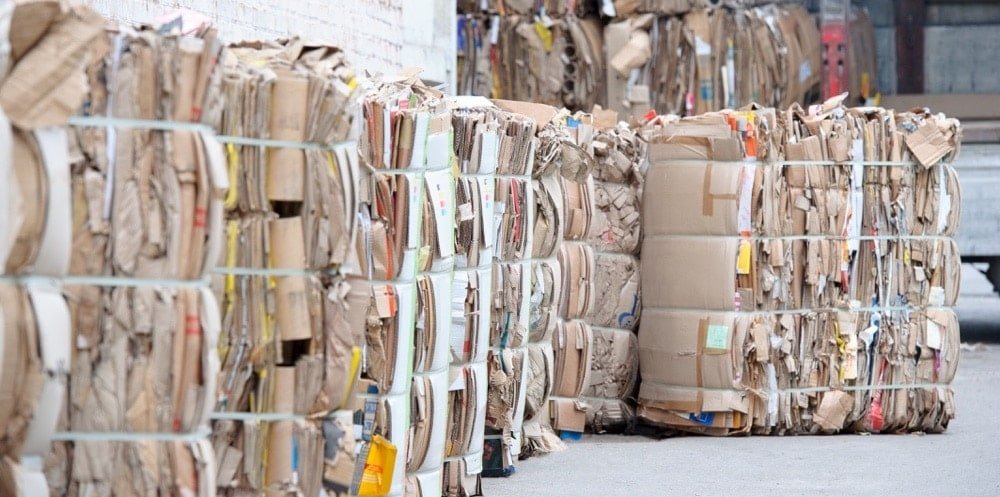
Using a cardboard shredding machine allows businesses to address these challenges directly. By processing cardboard in-house, the volume of waste requiring disposal is significantly reduced. In many cases, cartons that would otherwise be flattened, stacked, and removed from the facility can be immediately repurposed as packaging material.
From a cost perspective, this approach helps offset the expense of purchasing void fill materials such as paper padding, air cushions, or foam. Instead of buying packaging consumables repeatedly, companies generate packaging material on demand using cardboard they already own. Over time, this can lead to measurable reductions in packaging and waste-handling costs.
Operational efficiency is another key factor. With a cardboard perforator positioned near the packing bench, operators can produce void fill as needed without interrupting workflow. There is no need to wait for packaging material deliveries or allocate storage space for bulky consumables. This supports a more streamlined and responsive packing process.
Environmental considerations also play a role. Reusing cardboard internally reduces waste output and supports sustainable packaging practices without requiring major changes to existing operations. For many businesses, a corrugated cardboard shredder offers a balanced solution that combines cost control, operational efficiency, and responsible material use.
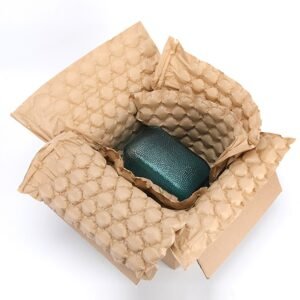
Inside the machine, rotating shafts equipped with blades or cutting elements engage the cardboard. By cutting a regular pattern into the cardboard, they allow the material to stretch and expand, creating a three-dimensional structure that absorbs impact and fills empty space in cartons.
The processed cardboard exits the machine ready for immediate use. Because the process is mechanical and continuous, packaging material can be generated on demand, matching the pace of packing operations. This eliminates the need to pre-produce or store large quantities of void fill.
Importantly, cardboard shredders are designed with safety and reliability in mind. Features such as emergency stop buttons, enclosed cutting areas, and controlled feed mechanisms help ensure safe operation in busy packaging environments.
Cardboard shredders are available in several configurations, each suited to different operational needs and volumes.
Desktop or tabletop cardboard shredders are designed for small packing stations, e-commerce studios, and low-volume environments. These machines are compact, easy to install, and typically operate on standard power supplies. They are ideal for businesses that process a limited number of cartons per day but want to reduce waste and packaging costs.
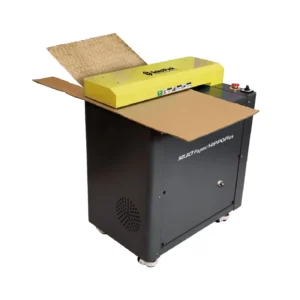
Heavy-duty cardboard shredders are built for higher throughput. With wider feed openings and more robust cutting systems, they can process larger and thicker cartons continuously. These machines are commonly used in warehouses, fulfillment centers, and manufacturing facilities where packaging volume is consistent and predictable.
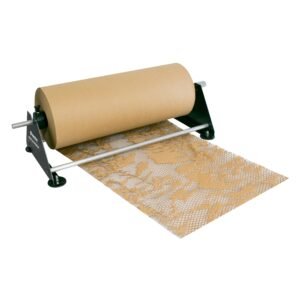
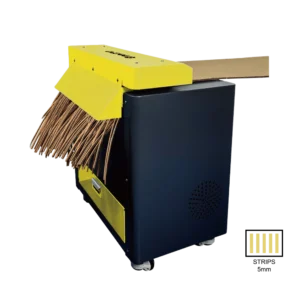
Some models are optimized for specific output types, such as strip-cut material for wrapping or expanded mesh for void fill. Others offer adjustable settings, allowing operators to tailor the output to different packaging requirements.
Choosing the right type of cardboard processing machine depends on factors such as daily carton volume, available space, and how the output material will be used within the packaging process.
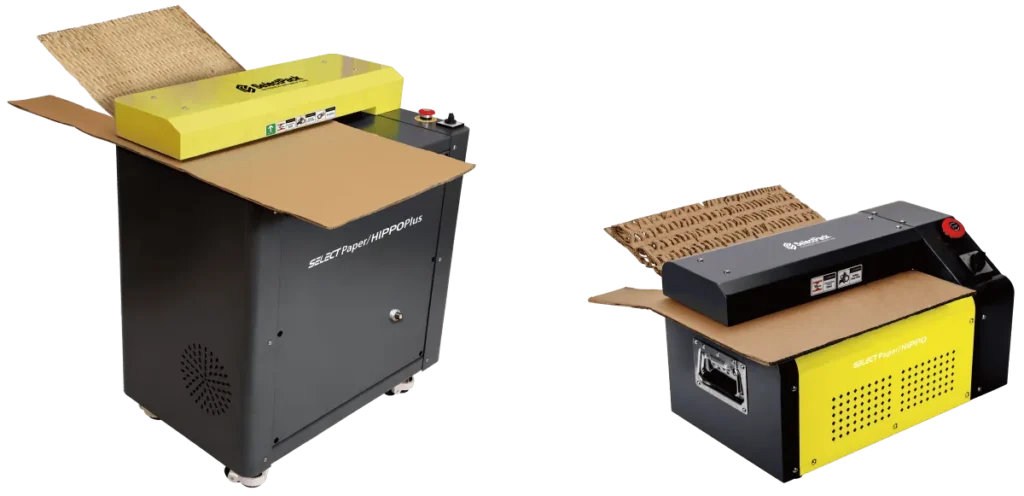
Not all cardboard is the same, and compatibility is an important consideration when using a cardboard perforator. Most machines are designed to process standard corrugated cardboard, including single-wall and certain double-wall cartons. Thickness, material quality, and moisture content can all affect performance.
High-quality corrugated board produces the best output for packaging purposes. Clean, dry cardboard expands evenly and maintains structural strength after shredding or perforation. Heavily contaminated, wet, or laminated cardboard may not be suitable for processing.
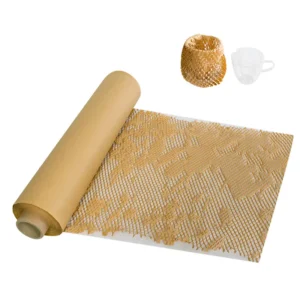
The output material generated by a corrugated cardboard shredder can be used in several ways. Expanded cardboard is commonly used as void fill to prevent movement inside shipping cartons. Strip-cut material can be wrapped around products or used as a separator between items.
Selecting the right cardboard shredder begins with understanding operational needs. One of the most important factors is daily carton volume. Small-scale operations may only require a compact machine, while high-volume environments benefit from more powerful, floor-standing models designed for continuous use.
Feed width and maximum cardboard thickness should also be considered. The shredder must be capable of handling the largest cartons commonly used in the operation without excessive pre-cutting or manual preparation.
Workspace layout plays a role as well. Desktop machines fit easily beside packing benches, while larger units require dedicated floor space. Noise level, power requirements, and ease of maintenance may also influence the decision.
Finally, businesses should consider how the output material will be used. Operations that primarily need void fill may prioritize perforation and expansion, while those focused on wrapping or separation may prefer different cutting styles.
Ready to Find the Right Cardboard Shredder for Your Operation?
Get in touch to discuss your packaging needs or explore the available Hippo models to find the right fit for your operation.
Most cardboard perforators handle single-wall and double-wall corrugated cardboard. Light tape and labels are typically acceptable, though excessive staples or reinforced materials must be removed. Moisture content also matters; dry cardboard produces better output and reduces wear on cutting components.
Regular paper shredders are not designed for corrugated materials. Cardboard’s thickness and structure place excessive strain on motors and blades, increasing the risk of mechanical failure. Dedicated cardboard perforators are built to manage this load safely and consistently.
Materials such as plastics, metal components, thick laminated boards, and non-paper composites should not be processed. These items can damage blades and compromise safety. Following manufacturer guidelines helps extend machine lifespan and maintain consistent output quality.
Shredded cardboard is commonly used as protective void fill, cushioning fragile items during shipping, and separating products within cartons. In some operations, it may also be directed toward recycling or composting streams, depending on local regulations.
Key features include throughput capacity, feed width, adjustable output size, safety mechanisms, and ease of maintenance. Machines should match daily volume requirements without creating bottlenecks. User-friendly designs reduce training time and minimize downtime.
While cardboard shredding itself is generally unregulated, businesses should follow local waste handling and workplace safety guidelines. Proper training and machine guarding help ensure compliance with internal safety standards.
No special installation is required. Hippo desktop models are plug-and-play machines that can be placed directly next to a packing bench and connected to a standard power supply. Floor-standing models are delivered as complete units and only require basic positioning and power connection before use.
Hippo desktop models are designed for space-constrained packing stations and require minimal footprint. Floor-standing models require additional floor space for safe feeding and material handling, but no dedicated room or structural modification is needed.
In many operations, yes. Expanded cardboard produced by Hippo shredders is commonly used to replace paper padding, air cushions, or foam for void fill and product separation. The replacement level depends on carton size and product requirements.
Depending on the model, SelectPack cardboard shredders produce different output formats such as perforated mesh or strip-cut material, suitable for cushioning, wrapping, or void fill applications.
Routine maintenance is minimal and mainly involves keeping the feed area clean, periodically inspecting cutting components, and following standard cleaning guidelines. Proper material use helps ensure long-term performance.
Yes. Standard printed cartons are commonly processed without affecting shredding performance or output quality.
Hippo models are designed for active packaging environments. Noise levels are controlled to remain suitable for warehouses and fulfillment areas, allowing operators to work nearby without major disruption.
Desktop models are intended for intermittent to moderate daily use, while Hippo Plus floor-standing models are designed for continuous, repetitive operation in higher-volume packaging environments.
Yes. SelectPack evaluates carton sizes, daily volume, available space, and packaging workflows to recommend the most suitable Hippo model for each operation.
Honestly, we’ll save your budget, enhance your quality,
and fulfill your hardware quicker than ever.
Enter your email to access the download link for the product brochure & certificates