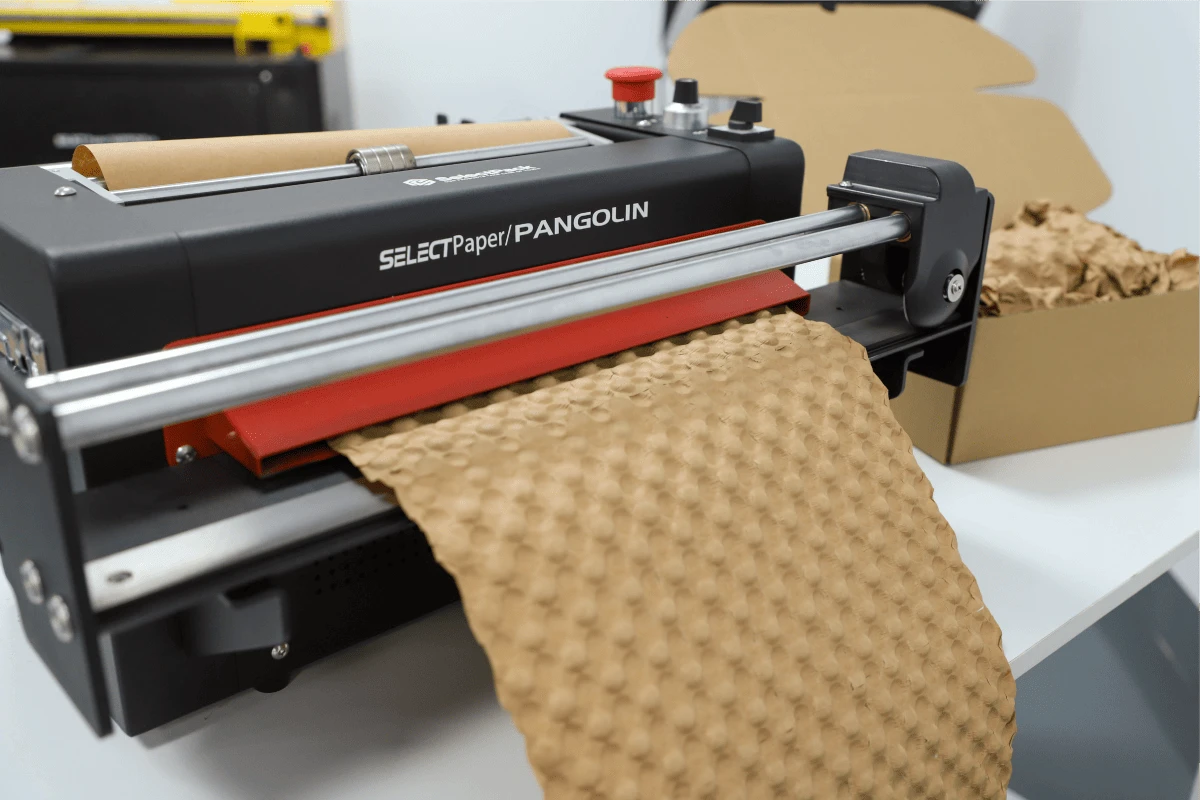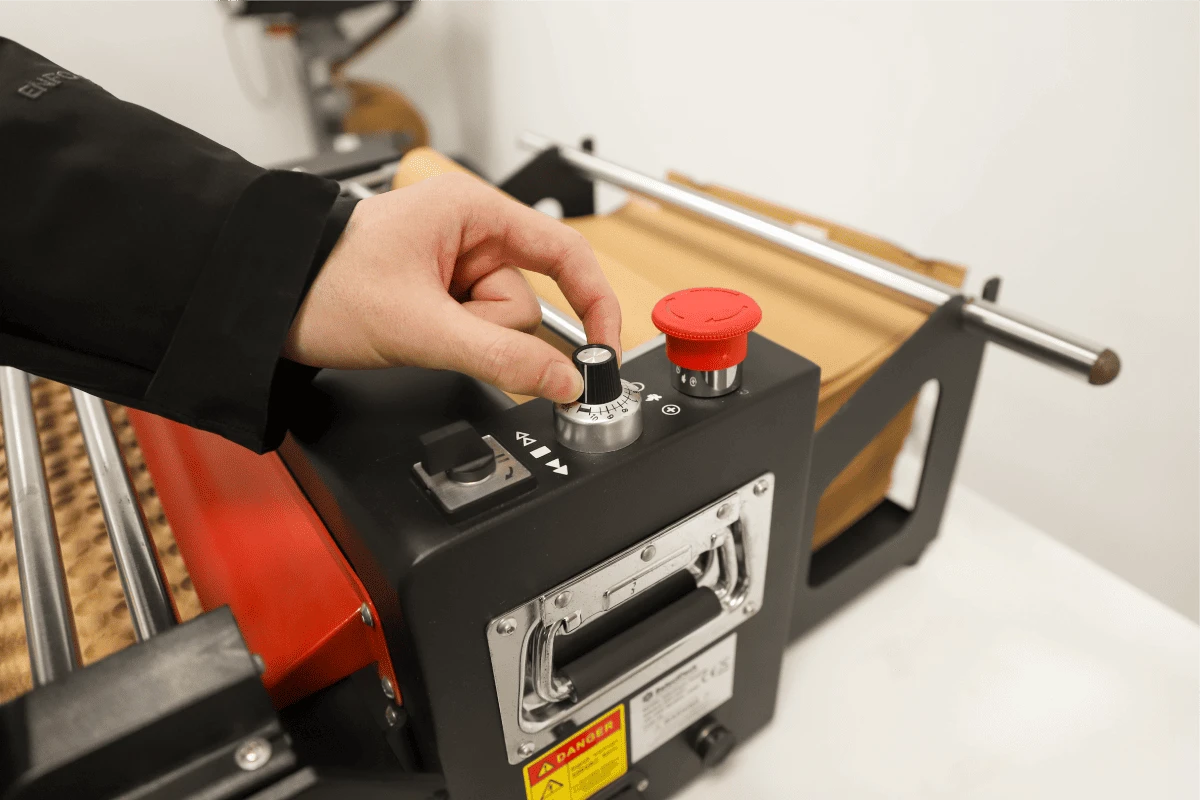
Paper bubble machines have revolutionized protective packaging for many industries. The ability to produce cushioning material on-demand offers significant advantages in cost, efficiency, and sustainability. However, like any packaging solution, paper bubble wrap has limitations.
Understanding when paper bubble packaging is not the ideal choice is just as important as knowing when it excels. This comprehensive guide explores the specific scenarios where alternative protective materials may be more appropriate, and how to evaluate whether paper bubble machines fit your packaging needs.
Understanding Paper Bubble Machine Capabilities and Constraints
Before discussing specific limitations, it’s important to recognize that paper bubble machines are designed for particular applications. They excel at providing lightweight, cost-effective cushioning for fragile items that don’t require rigid support or specialized protection.
However, packaging requirements vary dramatically across industries and product categories. What works perfectly for e-commerce electronics may be completely inadequate for industrial equipment or hazardous materials.
The key to effective packaging strategy is matching the right material to the specific requirements of your products and shipping environment.
Limitation 1: Heavy and Rigid Items Requiring Structural Support
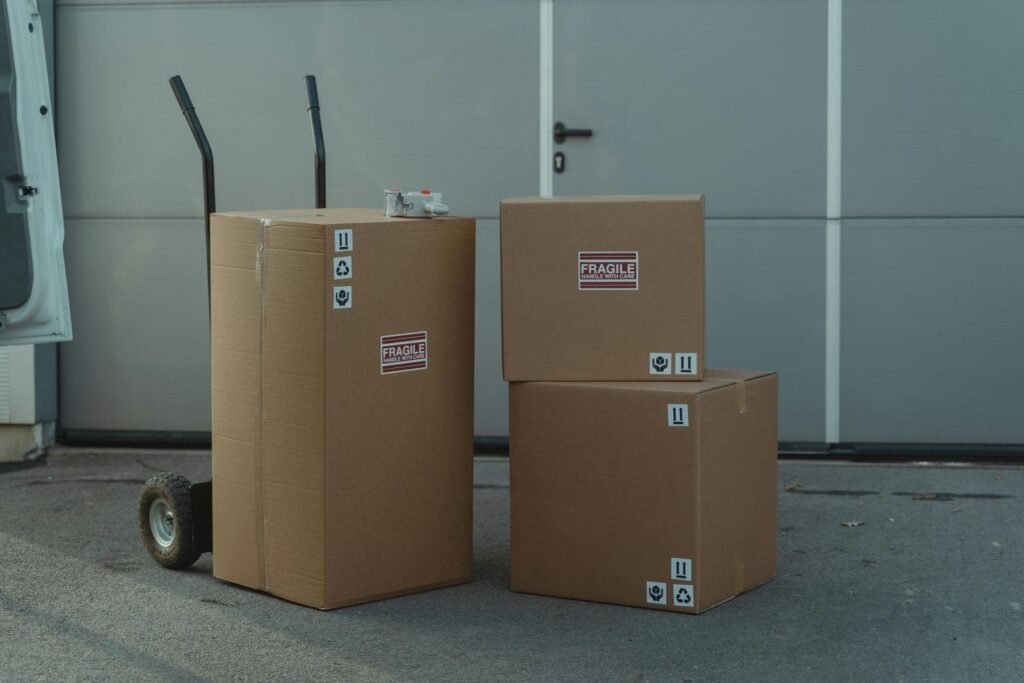
One of the most important limitations of paper bubble packaging is that it cannot provide the rigid structural support needed for very heavy items or equipment that must remain firmly contained during transport. Paper bubble wrap is primarily designed as a cushioning material. Its main function is to absorb shock, reduce vibration, and protect fragile products from impact. While it performs well in these situations, it does not have the strength or rigidity required to stabilize large, dense, or heavy goods.
This means paper bubble packaging is not the best solution for heavy machinery, large metal components, construction materials, or other industrial products that may weigh more than 50 pounds. These types of items often need packaging that can do more than cushion surface impact. They may require containment, load stability, and stacking strength to prevent shifting, compression, or structural damage during storage and shipping. In these cases, relying on paper bubble wrap alone can lead to insufficient protection.
For heavier or structurally sensitive products, other packaging methods are usually more suitable. Wooden crating can provide strong external support for industrial equipment, while foam-lined boxes combine cushioning with a more secure structure. Corrugated cardboard solutions may also offer better rigidity for stacking, and strapping or bracing can help keep large items stable during transport. In practice, paper bubble packaging works best as a protective cushioning layer, but not as a standalone solution when structural support is essential.
Limitation 2: Extremely Sharp or Pointed Objects
Another limitation of paper bubble wrap is its vulnerability to sharp or pointed objects. Although the material is durable enough for many common packaging applications, it is not ideal for products with sharp edges, protruding parts, or irregular pointed surfaces. Paper bubble packaging is designed to absorb shock and reduce impact during shipping, but its protective structure can be weakened if the surface is pierced or torn.
This is especially important when packaging items such as tools with cutting edges, machinery with exposed components, welded metal assemblies, or other products with jagged or pointed areas. In these cases, even a small puncture can reduce the effectiveness of the cushioning layer and leave parts of the product less protected during handling and transport. As a result, paper bubble wrap may not deliver consistent protection when the item itself can damage the packaging material.
For products with sharp features, stronger or more puncture-resistant protective materials are often a better choice. Foam padding, corrugated cardboard, or combined protective systems that use both cushioning and a tougher outer barrier can provide more reliable results. Specialized sleeves or edge protectors may also be necessary for certain products. In these situations, paper bubble wrap can still be used as part of the overall packaging setup, but it should not be relied on as the only protective layer.
Limitation 3: Moisture-Sensitive Applications
Another important limitation of paper bubble wrap is its sensitivity to moisture. Because paper is naturally hygroscopic, it absorbs moisture from the surrounding environment. This makes paper bubble packaging less suitable for humid conditions or for products that require reliable moisture protection during storage and shipping. While it can perform well in dry environments, its protective qualities may decline when exposed to high humidity or prolonged damp conditions.
Once paper absorbs moisture, several problems can occur. The material may lose some of its strength and cushioning performance, become easier to tear, and in some cases transfer moisture to the packaged item itself. In extended periods of humid storage, there is also a risk of mold or mildew developing. For products that are sensitive to humidity, this can create a serious packaging concern. Electronics, precision instruments, pharmaceuticals, medical devices, food products, and metal parts vulnerable to corrosion often require a drier and more controlled packaging environment than paper bubble wrap alone can provide.
In these situations, packaging materials with stronger moisture resistance are usually a better fit. Plastic bubble wrap, moisture-barrier films, vacuum-sealed packaging, and sealed containers with desiccants or silica gel can offer more dependable protection against humidity. Paper bubble wrap may still be useful as part of a broader protective system in certain cases, but it is generally not the best standalone option when moisture control is a critical requirement.
Limitation 4: Anti-Static and Electrostatic Discharge (ESD) Sensitive Applications
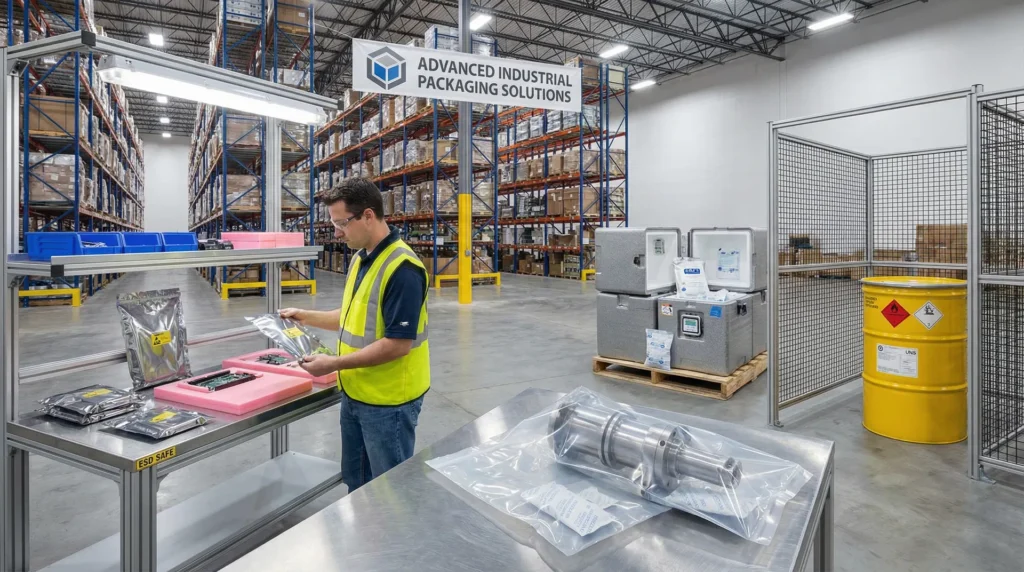
Another limitation of standard paper bubble wrap is that it does not provide anti-static protection. For products that are sensitive to electrostatic discharge, this can be a serious drawback. Paper bubble packaging may offer cushioning against physical impact, but it is not designed to control or dissipate static electricity. As a result, it is not an appropriate standalone packaging choice for many electronic or ESD-sensitive products.
This is particularly important for items such as semiconductors, microchips, circuit boards, electronic assemblies, and precision instruments containing sensitive electronic components. During packaging, handling, or transport, static electricity can build up through friction and movement. Without proper ESD protection, even a small discharge may damage delicate parts or reduce product reliability. In these cases, physical cushioning alone is not enough, because the packaging must also help control the electrostatic environment around the product.
For ESD-sensitive applications, specialized protective materials are usually required. Anti-static bubble wrap, conductive foam, ESD-safe bags, and other static-dissipative packaging solutions are designed specifically for this purpose. Depending on the product, more advanced protective methods such as grounded packaging systems or shielding materials may also be necessary. Paper bubble wrap can still play a secondary cushioning role in some packaging setups, but it should not be used as the main protective material where electrostatic discharge is a concern.
Limitation 5: Hazardous Materials and Regulatory Compliance
Another situation where paper bubble wrap may not be the right choice is in regulated packaging applications. Certain products must comply with strict industry or transportation requirements, and standard paper bubble packaging often cannot meet those standards on its own. While it can provide cushioning and surface protection, it may not offer the certifications, barrier properties, tamper evidence, or compliance documentation required for regulated goods.
This is especially relevant for hazardous chemicals, pharmaceutical products, certain food items, and goods subject to DOT or international shipping regulations. In these cases, packaging must do more than protect the product from impact. It may also need to meet specific legal, safety, hygiene, or traceability requirements. Standard paper bubble wrap alone is usually not sufficient for these applications, and using it without the proper supporting packaging materials could create compliance risks during storage, handling, or transport.
For regulated products, specialized packaging solutions are generally the better option. Certified hazmat packaging, pharmaceutical-grade materials, food-grade packaging, and tamper-evident systems are designed to meet these stricter requirements. In some cases, paper bubble wrap can still be used as an additional cushioning layer within a larger compliant packaging system, but it should not be treated as a standalone solution when certification and regulatory compliance are essential.
Limitation 6: Temperature-Controlled and Climate-Sensitive Shipping
Paper bubble wrap is also not suitable for products that require temperature control during storage or transit. Its main purpose is cushioning and impact protection, not thermal insulation. While it can help protect items from movement and minor handling damage, it cannot maintain a stable temperature range or shield products from heat and cold exposure in any reliable way. For shipments that depend on temperature consistency, paper bubble wrap alone is not enough.
This limitation is especially important for products such as pharmaceuticals, perishable foods, biological samples, vaccines, and other items that must remain within a defined temperature range. Some electronics may also be sensitive to excessive heat or cold. In these situations, packaging must do more than prevent physical damage. It must also help preserve product quality, safety, and compliance throughout the shipping process. Because paper bubble wrap does not offer meaningful thermal regulation, using it as the main protective material in these applications can create significant risk.
For temperature-sensitive products, specialized thermal packaging solutions are usually required. Insulated containers, refrigerated packaging, thermal liners, and systems using phase-change materials are designed to maintain more stable shipping conditions. Vacuum-insulated packaging may also be appropriate for high-value or highly sensitive goods. Paper bubble wrap can sometimes be used as a secondary cushioning layer inside a broader temperature-control packaging system, but it should not be considered a standalone solution when thermal protection is essential.
Limitation 7: Very Large or Oversized Items
While industrial paper bubble machines can produce wider-format material, there are practical limits to the size of items that can be efficiently wrapped with paper bubble.
Paper bubble packaging can become impractical when the item is extremely large. Although industrial paper bubble machines are able to produce wider-format cushioning material, there are still practical limits to how efficiently very large products can be wrapped. As item size increases, the amount of material required rises quickly, and the wrapping process itself often becomes more time-consuming, labor-intensive, and difficult to manage.
This is especially true for products such as furniture, large appliances, industrial machinery, construction materials, and oversized components that require broad surface coverage. For these items, the challenge is not only the amount of cushioning needed, but also the efficiency of the overall packaging process. Using paper bubble wrap for full coverage on very large products can increase material consumption, slow packing operations, and create unnecessary handling complexity. For heavy items with large dimensions, paper bubble may no longer be the most practical or cost-effective solution.
In these situations, other packaging methods are often better suited to the job. Protective blanket wrapping, shrink wrapping, wooden crating, and large-format cardboard protection can all offer more practical solutions depending on the product and shipping conditions. Paper bubble wrap may still be useful for protecting specific corners, surfaces, or vulnerable areas, but it is generally not the best standalone choice when the item is oversized and requires broader packaging efficiency.

Limitation 8: Long-Term Storage and Aging Concerns
Paper bubble wrap is also less suitable for long-term storage. Over time, paper can yellow, become brittle in dry conditions, absorb moisture in humid environments, and degrade when exposed to sunlight. In damp storage, there is also a risk of mold or mildew. These factors can reduce its protective performance and make it less reliable for products that need to remain protected over an extended period.
For items with long shelf-life requirements, archival value, or variable storage conditions, more stable packaging materials are often a better choice. Plastic bubble wrap, archival-grade packaging, sealed storage systems, or climate-controlled solutions can provide more consistent long-term protection than paper bubble wrap alone.
Limitation 9: Specialized Industry Requirements
Paper bubble machines are also not the best fit for industries with highly specialized packaging requirements. Sectors such as aerospace, medical devices, military, automotive, electronics, and pharmaceuticals often need packaging that meets strict standards for compliance, documentation, safety, or product protection. In many of these cases, standard paper bubble packaging cannot meet all requirements on its own.
For these applications, industry-specific or certified packaging solutions are usually more appropriate. Depending on the sector, this may include ESD-safe materials, tamper-evident packaging, regulated protective systems, or custom packaging designed to meet exact compliance standards. Paper bubble can sometimes be used as a secondary cushioning material, but it is usually not enough as the main packaging solution.
Assessing Whether Paper Bubble Machines Are Right for Your Business
To determine if paper bubble machines are appropriate for your packaging needs, consider these key questions:
1. What are your primary product categories?
If you ship primarily fragile, lightweight items, paper bubble machines are likely a good fit. If you ship heavy equipment, hazardous materials, or temperature-sensitive products, alternative solutions may be more appropriate.
2. Do your products have special protection requirements?
Consider whether your products require ESD protection, moisture barriers, temperature control, or other specialized protection. If so, paper bubble wrap alone may be insufficient.
3. What is your shipping volume and frequency?
Paper bubble machines are most cost-effective for businesses with consistent, moderate-to-high shipping volumes. Very low-volume shippers may not justify the equipment investment.
4. What are your storage and space constraints?
Paper bubble machines save storage space compared to pre-made bubble wrap. If storage space is limited, on-demand production is advantageous.
5. What are your sustainability goals?
If environmental responsibility is important to your business, paper bubble wrap’s recyclability and biodegradability are significant advantages.
6. What is your budget for packaging equipment?
Paper bubble machines require an upfront investment. Calculate the ROI based on your shipping volume and current packaging costs.
Hybrid Packaging Strategies: Combining Materials for Optimal Protection
In many cases, the most effective packaging solution is not a single material, but a combination of multiple protective layers. Paper bubble wrap can work well as part of a hybrid packaging system, where it provides cushioning while other materials address limitations such as structural support, moisture resistance, puncture protection, or anti-static requirements. This allows businesses to keep the benefits of paper bubble packaging without relying on it for functions it was not designed to handle.
For example, paper bubble can be combined with rigid boxes, foam, corrugated cardboard, plastic wrap, or specialized liners depending on the product’s needs. This kind of hybrid approach is often more practical because it balances protection, efficiency, and cost. Instead of replacing paper bubble entirely, businesses can use it more strategically as one component within a broader packaging solution.
When to Choose Alternative Packaging Solutions
Businesses should consider alternative packaging materials when their products require protection beyond standard cushioning. This is especially true for items that need rigid structural support, involve hazardous or regulated goods, have sharp or pointed surfaces, or require anti-static protection. Paper bubble wrap may also be unsuitable for products that are sensitive to moisture or temperature, as well as for very large or oversized items.
Alternative solutions may also be necessary when products must meet specialized industry standards, comply with specific regulations, or remain protected during long-term storage. In these situations, paper bubble packaging can still play a supporting role, but it is often not enough as the primary packaging solution on its own.
Conclusion: Making the Right Packaging Decision
Paper bubble machines are excellent solutions for many packaging applications, offering cost efficiency, sustainability, and operational advantages. However, they are not universal solutions.
Understanding the limitations of paper bubble packaging is essential for making informed decisions about your packaging strategy. By recognizing when alternative materials are more appropriate, you can optimize protection, compliance, and cost efficiency across your entire product line.
The most effective packaging strategy often involves:
1.Assessing your product requirements carefully
2.Identifying which products benefit from paper bubble packaging
3.Recognizing which products need alternative solutions
4.Implementing hybrid approaches where appropriate
5.Regularly reviewing and optimizing your packaging strategy
For many businesses, paper bubble machines represent an excellent investment for a significant portion of their packaging needs. By combining this technology with appropriate alternative materials for specialized applications, you can achieve optimal protection, efficiency, and cost-effectiveness across your entire operation.
FAQ
Q: Can paper bubble wrap be combined with other protective materials?
A: Yes, absolutely. Hybrid packaging approaches that combine paper bubble wrap with other materials often provide the best overall protection and cost efficiency.
Q: What’s the best alternative to paper bubble wrap for heavy items?
A: Wooden crating or foam-lined boxes typically provide the best combination of protection and structural support for heavy items.
Q: Is paper bubble wrap suitable for electronics?
A: Paper bubble wrap works well for most electronics. However, if your products are ESD-sensitive, you’ll need anti-static bubble wrap or specialized ESD packaging materials.
Q: How do I know if my products require specialized packaging?
A: Review your product specifications, industry regulations, and customer requirements. If your products have specific protection needs (temperature control, moisture protection, ESD protection, etc.), specialized packaging may be necessary.
Q: Can paper bubble machines handle all my packaging needs?
A: Paper bubble machines are excellent for many applications, but most businesses benefit from combining them with alternative materials for specialized product categories.
Q: What’s the best way to assess my packaging requirements?
A: Evaluate your product categories, shipping destinations, regulatory requirements, and customer expectations. Consider consulting with packaging specialists to optimize your strategy.
Q: Are there products I absolutely cannot ship with paper bubble wrap?
A: Hazardous materials, temperature-sensitive products, and items with strict regulatory requirements typically cannot be shipped with paper bubble wrap alone.
Q: How do I transition to paper bubble machines if I currently use plastic bubble wrap?
A: Start by identifying which products in your catalog are suitable for paper bubble packaging. Implement machines for those categories while maintaining alternative materials for specialized applications.
Related Articles
•What Is a Paper Bubble Machine and How Does It Work?
•How Does a Paper Bubble Machine Work?
•Paper Bubble vs Plastic Bubble Wrap: Complete Comparison
•What Products Are Best Protected with Paper Bubble Packaging?
•How to Choose the Best Paper Bubble Machine for Small Businesses
•Industrial Paper Bubble Machines for High-Volume Packaging Operations
•Paper Bubble Machine Applications in E-commerce and Fulfillment
•Paper Bubble Machine Maintenance and Troubleshooting Guide
•Paper Bubble Machine vs Honeycomb Paper Machine: Which Is Better?
•How to Integrate a Paper Bubble Machine into Your Packing Station
External Resources
•Packaging Dive: Industry News and Trends
•American Packaging Association: Standards and Best Practices