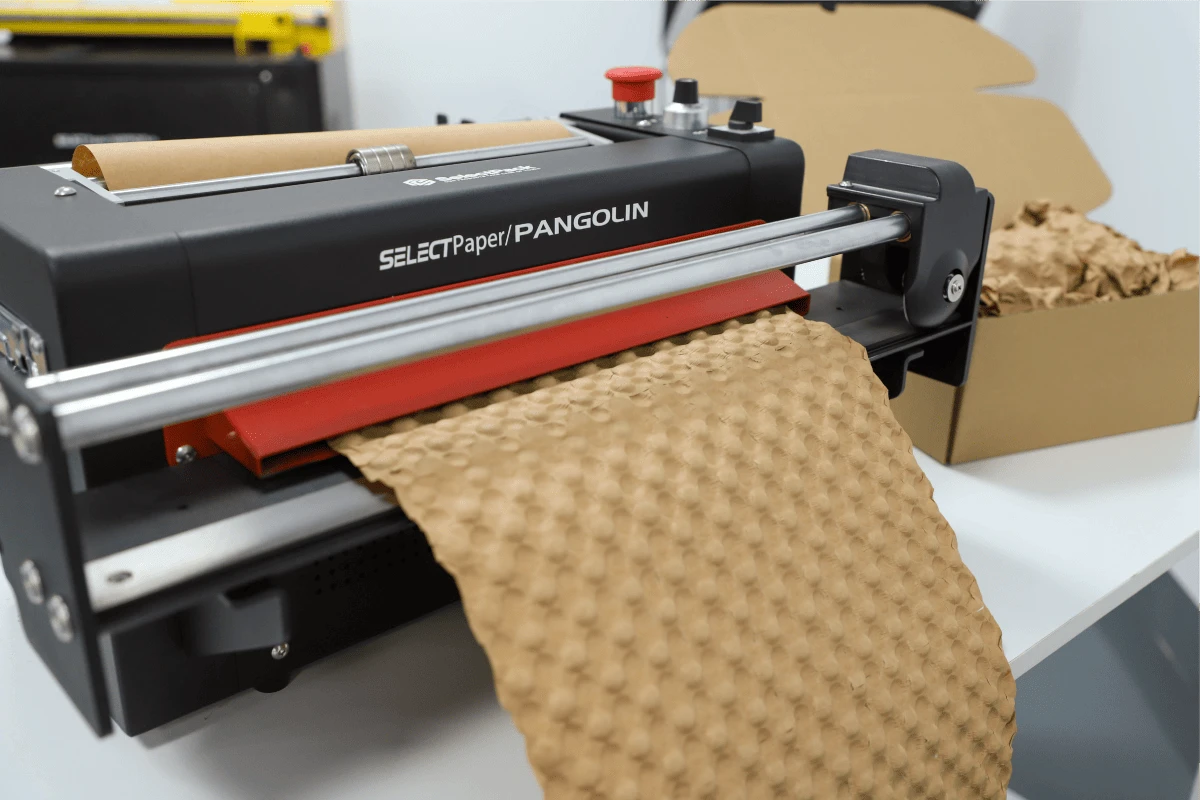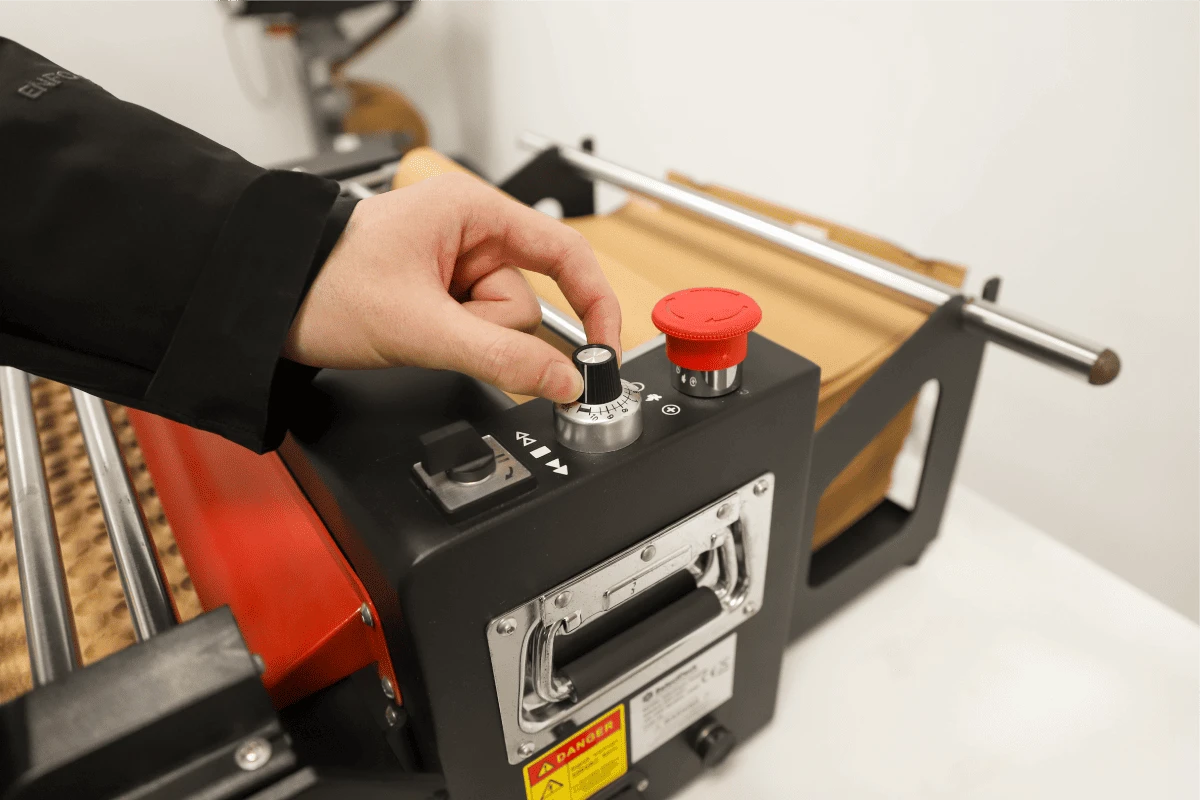
Buying the wrong paper bubble machine can lead to higher packaging costs, lower efficiency, and long-term operational issues. For packaging businesses, the real challenge is not just finding a machine at the right price, but choosing one that matches output needs, available space, material requirements, and expected ROI. In this guide, we cover the most common paper bubble machine buying mistakes and what businesses should evaluate before making a purchase.
Many of these mistakes happen before installation even begins. Businesses may choose the wrong capacity, overlook maintenance requirements, or focus too much on purchase price without calculating total cost of ownership. Understanding these common paper bubble machine buying mistakes can help you make a better long-term investment.
What to Evaluate Before Buying a Paper Bubble Machine
Before discussing specific mistakes, it’s important to understand what factors should guide your purchasing decision. A paper bubble machine is not a commodity purchase—it’s a strategic investment that impacts:
• Operational efficiency: The right machine integrates seamlessly into your workflow
• Production capacity: Machine speed and output must match your business volume
• Cost structure: Initial investment, material costs, and maintenance affect profitability
• Quality consistency: Machine reliability ensures consistent product quality
• Employee satisfaction: Proper equipment reduces operator frustration and training time
• Long-term scalability: The machine should support future growth
Making the wrong choice in any of these areas can have significant consequences for your business.

Mistake 1: Choosing Based on Price Alone
The most common mistake businesses make is selecting a paper bubble machine based solely on the lowest purchase price.
Why this is problematic:
While price is an important consideration, it’s only one factor in the total cost equation. A cheaper machine may have higher maintenance costs due to poor build quality, lower output speed that reduces productivity, or a shorter lifespan requiring replacement sooner. You might also face poor customer support, difficulty sourcing spare parts, or inconsistent material quality that affects your packaging.
The true cost of ownership extends far beyond the initial purchase price. You need to account for installation and setup, operator training, ongoing maintenance and repairs, spare parts replacement, unexpected downtime costs, material waste from quality issues, and energy consumption. A machine that costs 20% more upfront but lasts twice as long and requires half the maintenance is actually significantly cheaper over its lifetime.
How to avoid this mistake:
Calculate the total cost of ownership over 5-10 years, not just the initial purchase price. Consider factors like warranty coverage, maintenance requirements, and manufacturer support when comparing options.
A lower machine price does not always mean a lower packaging cost over time. Businesses should compare purchase price, maintenance, output efficiency, spare parts availability, and expected service life before making a decision.
Mistake 2: Ignoring Your Actual Business Volume and Capacity Needs
Many businesses either overestimate or underestimate their actual packaging volume, leading to machines that don’t match their needs.
Overestimating volume (buying too large):
Many businesses purchase industrial-grade machines when a compact model would suffice, wasting capital on unnecessary capacity and warehouse space. You end up paying for features and speed you’ll never use, while consuming more energy than necessary.
Underestimating volume (buying too small):
The opposite problem is equally damaging. A machine that’s too small becomes a bottleneck in your packing operation, forcing operators to run it continuously and leading to maintenance issues. You’ll be unable to handle seasonal volume spikes and may find yourself needing to purchase additional machines, which completely undermines the ROI of your initial investment.
How to avoid this mistake:
Before comparing machine models, estimate how many packages you ship per shift, how much cushioning each package needs, and whether one machine will serve a single station or multiple operators. This makes it easier to decide between a compact unit and a higher-output industrial system.
Start by reviewing your shipping data from the past 12-24 months to establish a baseline. Then consider your projected business growth over the next 3-5 years and identify seasonal fluctuations and peak shipping times. Calculate how many linear feet of material you need daily, and verify that the machine’s output speed exceeds your requirements by 20-30% to account for setup time and maintenance.
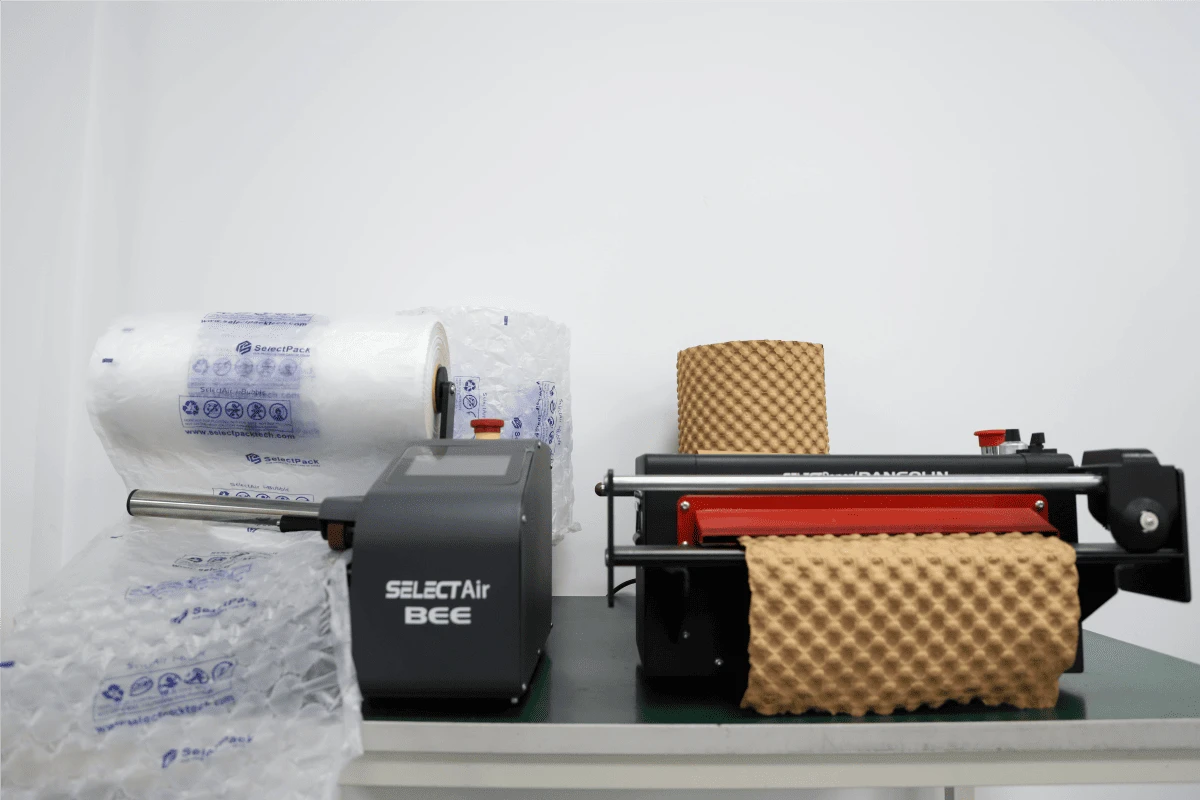
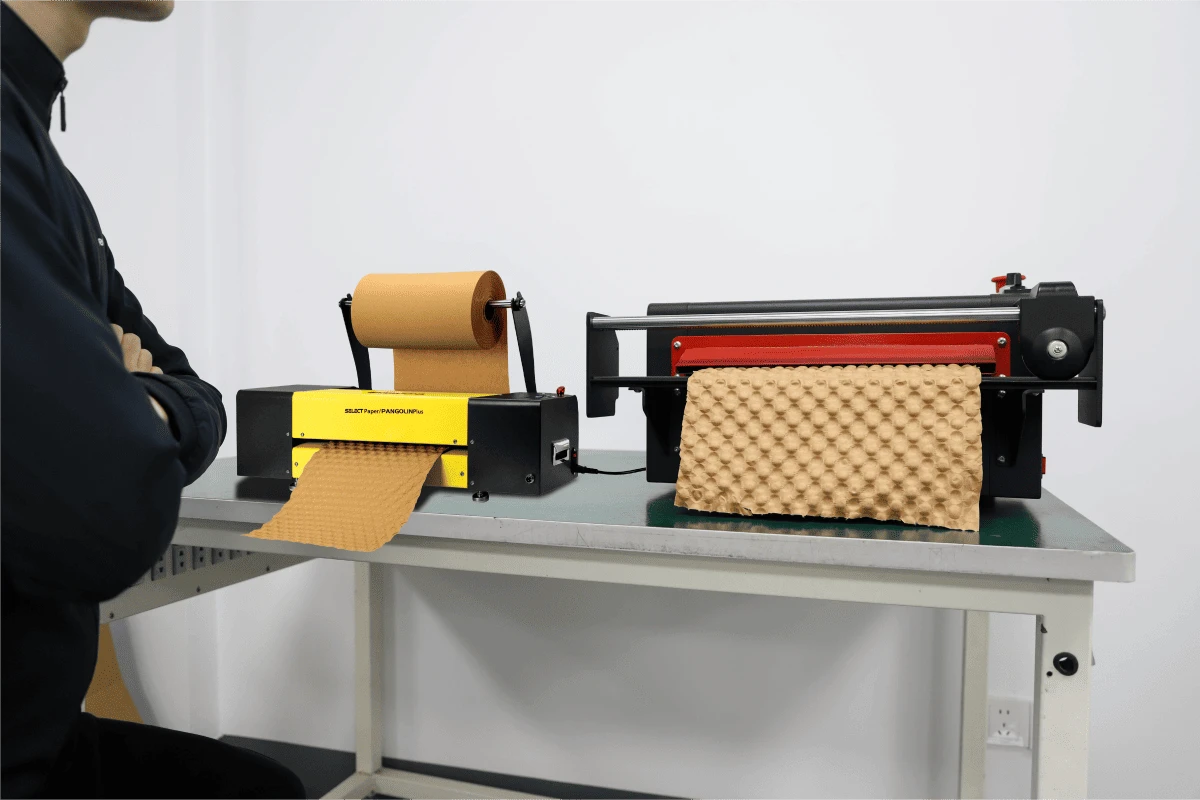
Paper bubble machines are available in various sizes and capacities. Selecting the right size for your actual needs is crucial. For small businesses, a compact model may be sufficient, while high-volume operations benefit from industrial-grade equipment.
Mistake 3: Not Considering Workspace and Installation Requirements
Many businesses purchase a machine without properly evaluating their physical space and installation requirements.
Many businesses encounter space-related issues that could have been prevented with proper planning. The machine might be too large for the available warehouse space, or there may be insufficient clearance for material roll changes. Poor positioning relative to packing stations can disrupt workflow, while inadequate electrical infrastructure or lack of proper ventilation can create operational headaches. Difficulty accessing the machine for maintenance is another common problem that emerges after installation.
Beyond the physical space, installation challenges often arise from electrical requirements exceeding facility capacity, flooring inadequate for the machine’s weight, or structural modifications that become necessary. Utility connections may not be available where you need them, and delivery and setup logistics can become far more complex than initially expected.
How to avoid this mistake:
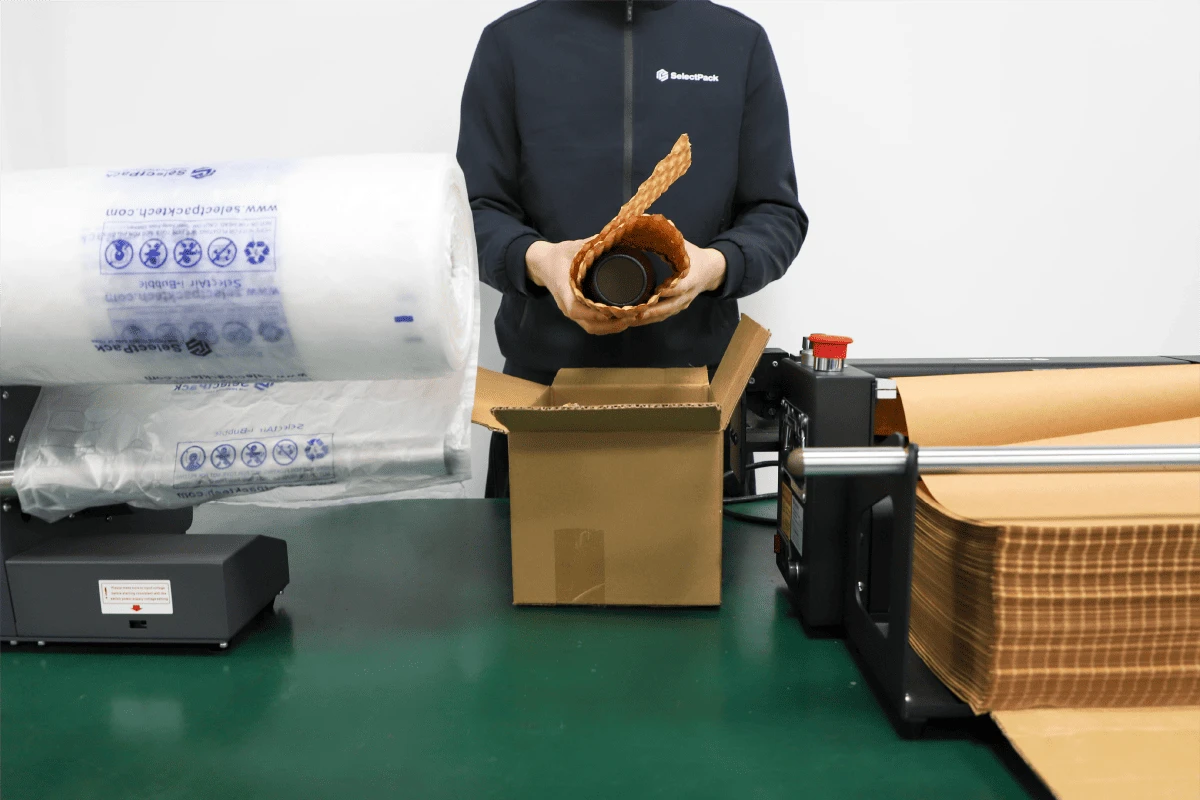
In many warehouses, the issue is not just whether the machine fits, but whether operators can load paper rolls, access controls, and move finished cushioning without slowing down the packing line.
Measure your space carefully, accounting for the machine’s footprint plus adequate workspace around it. Review your facility’s electrical requirements to verify it can support the machine’s power needs. Plan the layout to determine optimal positioning relative to packing stations, and ensure adequate space for repairs and component replacement. Before making a final purchase decision, consult with the manufacturer about installation requirements and plan for material storage to ensure you have adequate space for kraft paper roll inventory.
Mistake 4: Overlooking Maintenance and Support Requirements
Many businesses don’t adequately consider the ongoing maintenance needs and manufacturer support availability before purchasing.
Maintenance problems can quickly become expensive if you haven’t evaluated support availability beforehand. Common issues include lack of spare parts availability, expensive repairs due to proprietary components, and limited technical support from the manufacturer. You might face inadequate training for maintenance procedures, unexpected downtime, or poor documentation and troubleshooting resources.
Support challenges compound these problems. A manufacturer with limited local presence or support network means long response times for technical issues and expensive service calls. Finding qualified technicians becomes difficult, and inadequate warranty coverage leaves you exposed to unexpected costs.
How to avoid this mistake:
Before buying, ask how quickly replacement parts can be shipped, whether remote troubleshooting is available, and which maintenance tasks can be handled by your own team. These details often have a bigger impact on uptime than the machine’s initial price. Check the paper bubble machine maintenance and troubleshooting guide to understand typical maintenance requirements.
Research the manufacturer’s support infrastructure to verify they have local support or a strong support network. Review warranty coverage carefully to understand what’s covered and for how long. Confirm that common replacement parts are readily available and stocked locally, not just available through special order. Understand the regular maintenance schedule and associated costs. Verify that the manufacturer provides adequate operator and maintenance training, and contact other customers about their experience with manufacturer support to get real-world feedback.
Mistake 5: Failing to Evaluate Material Quality and Consistency
Not all paper bubble machines produce the same quality of material. Differences in bubble size, paper thickness, and consistency can significantly impact your packaging effectiveness.
Quality issues can undermine your entire packaging operation. Inconsistent bubble size affects cushioning effectiveness, while variable paper thickness leads to durability problems. Material defects reduce product protection, output inconsistency requires frequent adjustments, and poor material quality can damage your brand reputation when customers receive damaged products.
How this affects your business:
Poor material quality leads to customer complaints about damaged products and increased return rates with associated costs. Your brand reputation suffers, and you face potential liability issues for damaged shipments. If the output quality is inconsistent, you’ll end up using more material per package or adding secondary protection, which completely undermines the cost advantage of on-demand paper cushioning.
How to avoid this mistake:
Request material samples from the specific machine model you’re considering and test how well they protect your actual products. Verify that multiple samples show consistent quality, and compare the material against other machines and materials. Review the specifications carefully to understand bubble size, paper weight, and other quality parameters. Finally, inquire about the manufacturer’s quality assurance processes to ensure they maintain consistent standards.
Mistake 6: Ignoring Operator Training and Learning Curve
Many businesses underestimate the time and resources required to properly train operators on a new machine.
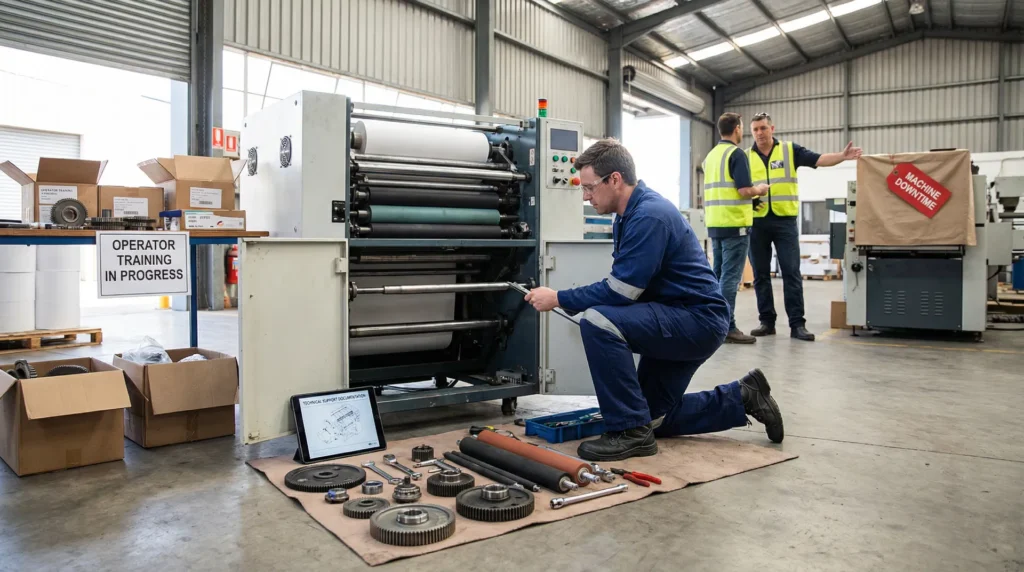
Inadequate training creates multiple operational problems. Operators lack understanding of proper machine operation, don’t follow setup and adjustment procedures correctly, and waste material through improper use. Safety issues emerge, operator frustration leads to high turnover, and productivity suffers during the learning period.
The impact of poor training extends throughout your operation. You’ll experience lower output quality and consistency, increased machine downtime and maintenance issues, safety incidents with potential liability, employee dissatisfaction and turnover, and a longer timeline to achieve your ROI.
How to avoid this mistake:
Confirm that the manufacturer provides comprehensive operator training and ask how long it typically takes operators to become proficient. Ensure that clear operating manuals and guides are provided, and budget adequate time for operators to learn the machine before expecting full production. Designate someone to become the primary operator and expert, and arrange for continued support as operators develop proficiency. While training is important, remember that proper vendor selection can address most training concerns.
Mistake 7: Not Considering Integration with Existing Operations
Purchasing a machine without evaluating how it will integrate with your existing packing operations can lead to workflow inefficiencies.
Integration challenges:
Integration problems emerge when machine output speed doesn’t match your packing station capacity, or when material format is incompatible with your current packaging process. Positioning the machine for efficient workflow can be difficult, and material storage location may create bottlenecks. Operators might need to leave the packing station to manage the machine, or the machine might require modifications to your existing workflow.
The most efficient operations integrate the paper bubble machine seamlessly into the packing workflow, minimizing material handling and operator movement. This requires careful planning before purchase.
How to avoid this mistake:
Document how materials and products currently flow through your packing operation and identify bottlenecks where the machine should be positioned for maximum efficiency. Plan how material will move from the machine to packing stations and minimize the distance operators must travel. Ensure the machine can support future workflow changes, and get input from operators and supervisors about optimal placement.
For a more detailed layout perspective, see our guide on how to integrate a paper bubble machine into your packing station.
Mistake 8: Overlooking Regulatory and Compliance Requirements
Depending on your industry and products, there may be specific regulatory requirements for packaging materials that you need to consider.
Regulatory considerations:
Your industry may have specific regulatory requirements that affect machine selection. Food industry packaging has its own requirements, as do healthcare and pharmaceutical standards. Environmental regulations regarding recyclability, specific material certifications, documentation and traceability requirements, and industry-specific packaging standards all play a role.
How this affects machine selection:
The machine must produce material that meets regulatory requirements, and certain features or specifications may be mandatory. You may need to maintain documentation and certification, and material sourcing may have specific requirements that limit your options.
How to avoid this mistake:
Understand all applicable regulations for your products and confirm that the machine produces material meeting regulatory standards. Verify that the machine and material have necessary certifications, and ensure you can document that your packaging meets all requirements. Stay informed about upcoming regulatory changes that might affect your choice, and factor these considerations into your purchasing decision.
Mistake 9: Failing to Calculate ROI Properly
Many businesses don’t properly calculate the return on investment (ROI) before purchasing a machine, leading to unrealistic expectations.
Common ROI calculation errors:
Many businesses make critical mistakes when calculating ROI. They overestimate cost savings, underestimate ongoing operational costs, and fail to account for implementation time or the productivity ramp-up period. They neglect to factor in maintenance and repair costs or consider material waste and quality issues that can significantly impact the bottom line.
How to calculate ROI accurately:
A realistic ROI calculation should compare your current packaging cost per order with the projected cost per order after switching to on-demand paper bubble cushioning.
Start by calculating your current packaging costs, including material costs for pre-made bubble wrap or alternatives, labor costs for manual wrapping or material handling, storage costs for pre-made materials, and waste and inefficiency costs. Then estimate the costs with the machine, accounting for the purchase price amortized over its useful life, kraft paper material costs, maintenance and repair costs, operator training and labor, and energy consumption.
Calculate your potential savings by comparing reduced material costs, labor efficiency improvements, reduced storage requirements, waste reduction, and improved product quality with fewer damage claims. Finally, determine your payback period by dividing total investment by annual savings, and account for the implementation time before you achieve full savings.
How to avoid this mistake:
Collect detailed information about your current packaging costs and request complete pricing information from the manufacturer. Use realistic assumptions rather than best-case scenarios, and factor in all direct and indirect costs. Account for the time needed to reach full productivity, and add a buffer for unexpected costs or delays. This conservative approach ensures your ROI projections are achievable.
Mistake 10: Not Evaluating Multiple Options and Getting Competitive Quotes
Many businesses purchase the first machine they evaluate without comparing alternatives or getting competitive quotes.
Why this is problematic:
When you purchase the first machine you evaluate without comparing alternatives, you risk missing better options that might be more suitable for your needs. You may end up paying more than necessary, fail to evaluate all available features and capabilities, overlook important differences between manufacturers, and lose valuable negotiating leverage.
How to avoid this mistake:
Identify all viable paper bubble machine options and request detailed quotes from at least 3-5 manufacturers. Create a detailed comparison of features and capabilities including output speed, footprint, compatible paper, support, and price range. Contact customers of each manufacturer to get real-world feedback, and use competitive quotes to negotiate better pricing and terms. Remember to compare not just price, but overall value including support and quality.
Making Your Final Decisionon
After evaluating all these factors, you should be well-positioned to make an informed decision. Here’s a final framework for deciding:
1. Eliminate unsuitable optionsRemove any machines that don’t meet your basic requirements (capacity, space, budget, etc.)
2. Score remaining optionsCreate a scoring system for important factors (price, quality, support, etc.) and score each option
3. Consider total valueDon’t choose based on price alone—consider the complete package of features, support, and quality
4. Verify referencesContact customers using your top choices to get real-world feedback
5. Negotiate final termsUse competitive quotes to negotiate better pricing and terms
6. Plan implementationDevelop a detailed plan for installation, training, and integration
Conclusion: Investing Wisely in Your Packaging Future
Purchasing a paper bubble machine is a significant investment that can dramatically improve your packaging operations. By avoiding these common mistakes and following a structured evaluation process, you can ensure that you make the right choice for your business.
The key to success is:
• Thoroughly understanding your business needs
• Evaluating multiple options carefully
• Calculating ROI realistically
• Considering total cost of ownership
• Prioritizing support and quality over price alone
• Planning for integration and training
When you invest the time upfront to make an informed decision, you’ll enjoy years of improved efficiency, cost savings, and better packaging quality.
If you are comparing different paper bubble machine options for your packaging operation, SelectPack can help you evaluate output, footprint, paper compatibility, and ROI based on your actual business needs. Contact our team to discuss your specific requirements and get a customized recommendation.
FAQ
Q: What should I check before buying a paper bubble machine?
A: Evaluate your actual shipping volume, available workspace, electrical infrastructure, maintenance requirements, manufacturer support availability, material quality, and total cost of ownership. Use the comprehensive checklist in this guide to ensure you’ve covered all key evaluation areas.
Q: How do I choose the right paper bubble machine size?
A: Calculate your daily packaging volume, account for seasonal peaks, and choose a machine with 20-30% excess capacity. Consider whether one machine will serve a single packing station or multiple operators. For small businesses, desktop models are often sufficient, while high-volume operations require industrial-grade equipment.
Q: How much maintenance does a paper bubble machine need?
A: Maintenance requirements vary by machine model and usage intensity. Typical maintenance includes regular cleaning, lubrication, and periodic component replacement. Ask manufacturers about maintenance schedules and costs before purchasing. See our maintenance and troubleshooting guide for common maintenance tasks.
Q: Is a desktop or industrial paper bubble machine better for my business?
A: Desktop machines are designed for small businesses with lower volumes and limited space, while industrial machines are built for high-volume operations and continuous production. Choose based on your actual daily volume needs and growth projections.
Q: How long does it typically take to see ROI from a paper bubble machine?
A: Most businesses see positive ROI within 6-18 months, depending on their current packaging costs and volume. Businesses with high current packaging costs and significant volume typically see faster ROI.
Q: Can I lease a paper bubble machine instead of buying?
A: Some manufacturers offer leasing options, which can be attractive if you want to minimize upfront capital investment. Compare leasing costs to purchase costs over your expected usage period.
Q: Should I buy a used paper bubble machine?
A: Used machines can be cost-effective, but verify the machine’s condition, remaining lifespan, and available support. Ensure that spare parts are still available and that the manufacturer still provides support for older models.
Related Articles
•What Is a Paper Bubble Machine and How Does It Work?
•How Does a Paper Bubble Machine Work?
•How to Choose the Best Paper Bubble Machine for Small Businesses
•Industrial Paper Bubble Machines for High-Volume Packaging Operations
•Paper Bubble Machine Applications in E-commerce and Fulfillment
•Paper Bubble Machine Output Speed: How Fast Can It Produce?
•Paper Bubble Machine Maintenance and Troubleshooting Guide
•Paper Bubble vs Honeycomb Paper Machine: Which Is Better?
•How to Integrate a Paper Bubble Machine into Your Packing Station
•Paper Bubble Machine Limitations: When It’s Not the Best Packaging Solution
External Resources
•Packaging Dive: Industry News and Trends
•American Packaging Association: Standards and Best Practices